Burn the Binder
Whitlow Dental Care ran on paper: floor-to-ceiling charts, a binder of consent forms, a new-patient visit that ate three and a half hours.
Moving forms, consent, and payments onto NexHealth cut that visit to about ninety minutes, saved roughly $1,000 a month in processing fees, and put every signed form into the record without anyone scanning it.
New-patient appointments ran 3.5 hours, much of it paperwork
The practice put its forms, consent, and payments on NexHealth, connected to the record
Darci now runs those same appointments in about 90 minutes
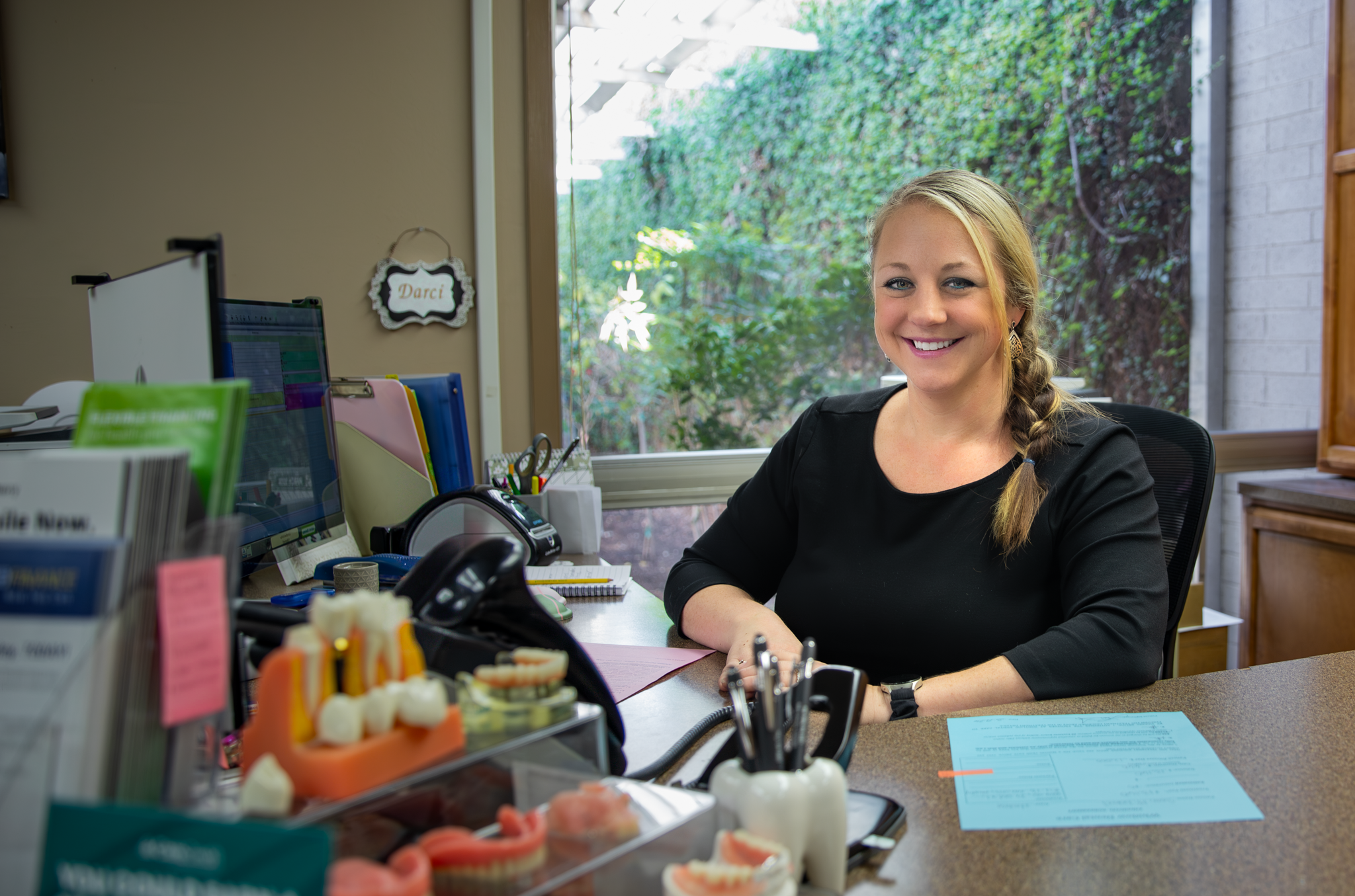
Darci is the treatment coordinator and office manager at Whitlow Dental Care in Fresno, California, where she’s stayed for her entire career. Her mother worked at the practice and needed an extra hand filing charts, so Darci stepped in straight out of high school. It caught her, as she puts it, and didn’t let her go. She worked beside her mother for fifteen years, until her mom retired in 2025. Sixteen years later, she runs the front.
The front desk is the human half of a dental practice, and it did not come easily to her. “I was very reserved and didn’t have much of a voice,” she said. Phone calls were the hardest part, and Darci was shy enough that she would hesitate to call to order lunch. She learned the job one step at a time. First greeting patients. Then insurance. Then the hardest part: sitting across from someone and walking them through the cost of their care. “A plan might be a hundred-dollar filling. It might be a full-mouth reconstruction costing $40,000,” she said.
That is the work she cares about. Whitlow rebuilds smiles, and the front desk is where a patient decides to trust it. Darci remembers one. “She walked in crying, she was so anxious,” she said. “And after it was all said and done, she couldn’t stop smiling, and she was crying, leaving for a completely different reason of how much her life just had changed.”
The old world
For years, the work was buried in paper.
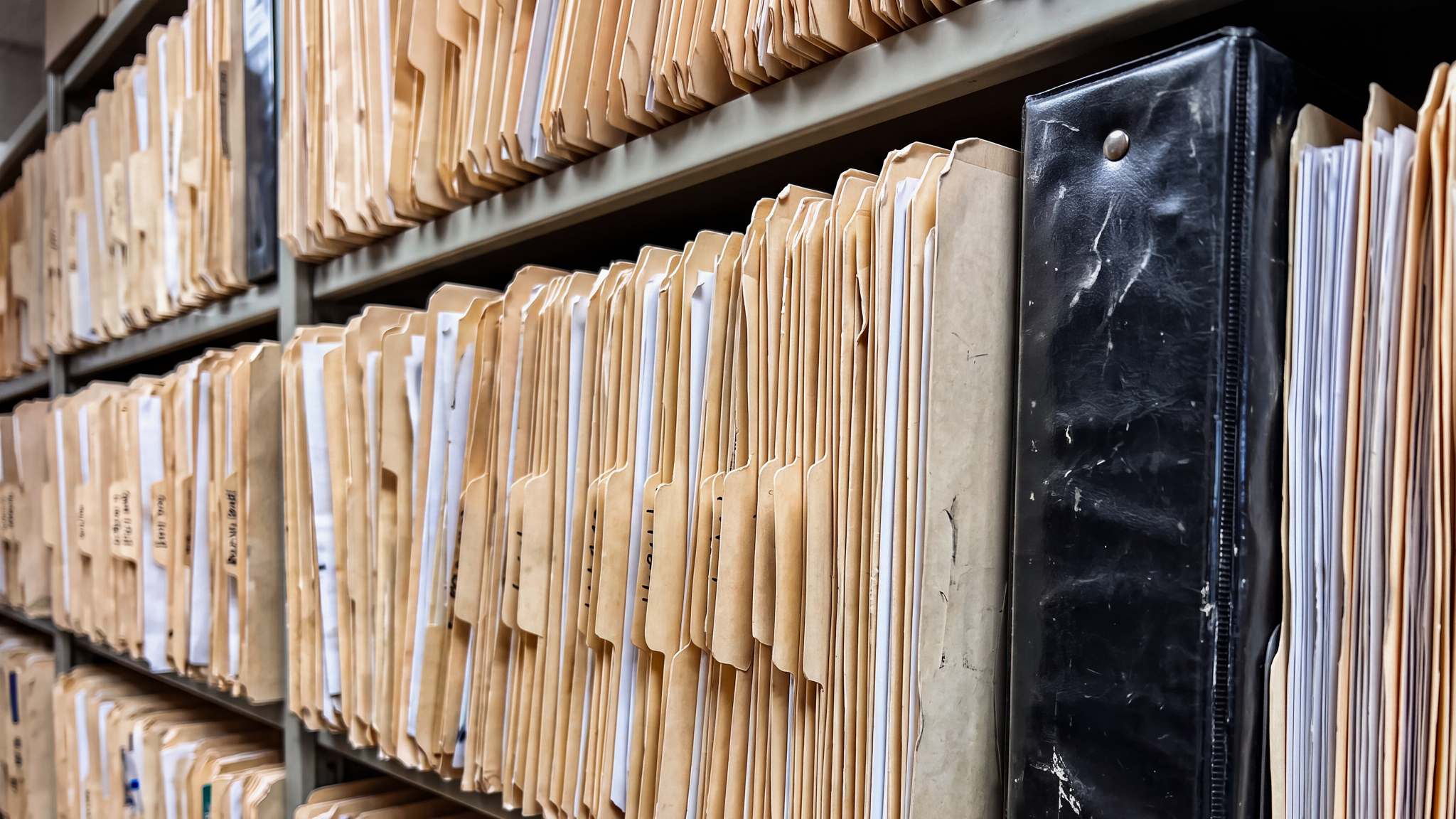
Charts came in floor-to-ceiling manila folders that the front office filed by hand every day. Darci kept the consent forms in a single enormous binder, flipping through it page by page, pulling one sheet at a time. A new-patient appointment ran three to three and a half hours, and she spent two of them at her desk, working form by form.
When the office first moved to electronic records, the paper didn’t disappears. It doubled. One staff member spent all day, every day, scanning documents into the system so the office could be paperless on top of being on paper.
“It was so much work,” she said. Every hour she gave the binder was an hour she did not spend with a patient.
The new world
They did it in stages, and Darci chose the order.
She started with new-patient paperwork. Instead of mailing a packet, she now sends patients a link, and they fill it out from the couch the night before. Her team finally reads a complete medical history instead of rushed handwriting. Consent came next: Darci loads the forms onto a tablet and carries it straight to the chair, where a patient reads and signs without her ever opening the binder.
She does not re-enter any of it. “It just auto syncs, and you don’t have to do anything,” she said. “It sinks within seconds.” On the rare hiccup, she calls support and has it sorted in a couple of minutes.
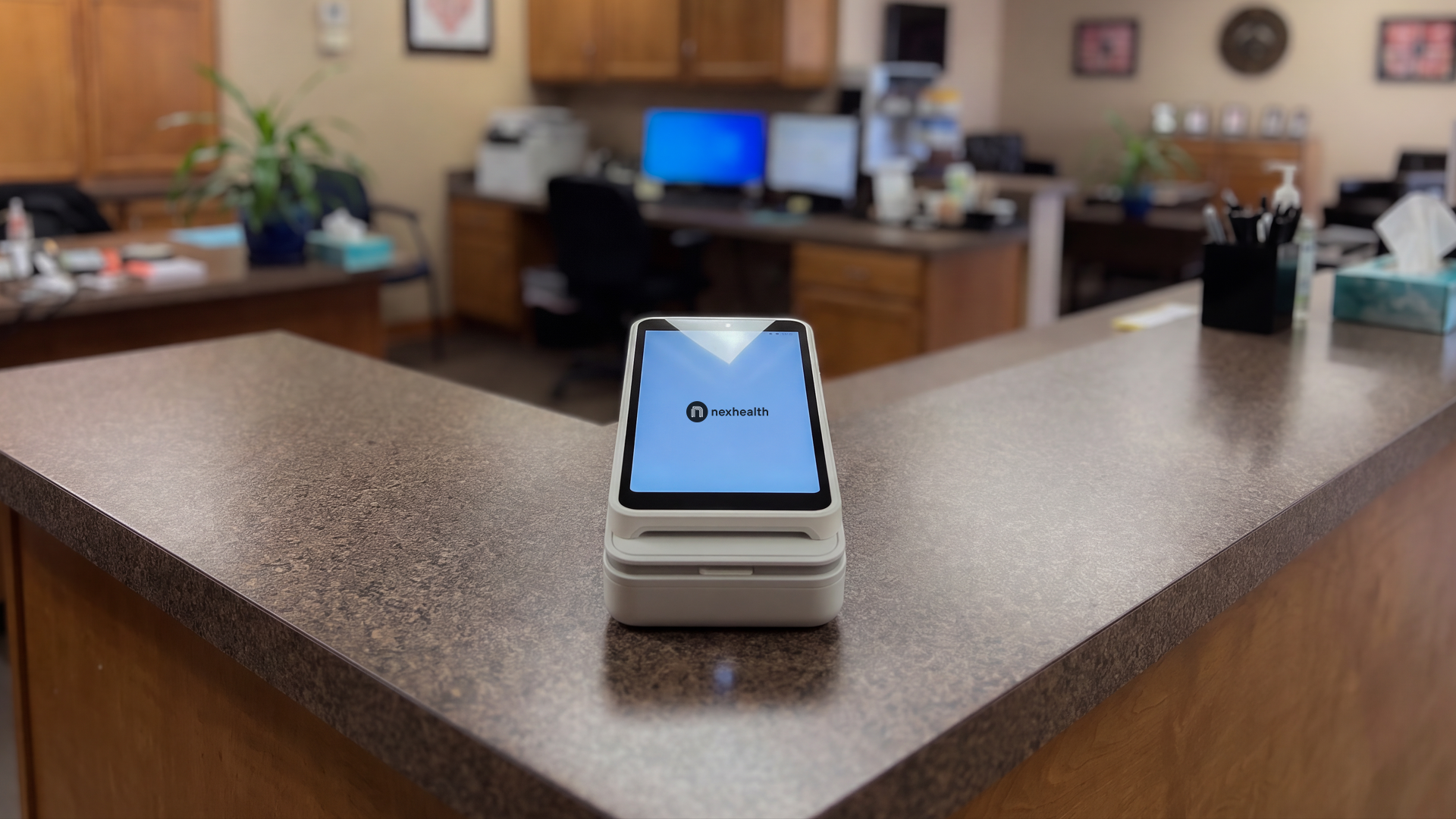
Then payments. Her staff taps a card on a portable terminal, and NexHealth applies the amount to the right balance and updates the ledger, so no one posts or reconciles it by hand. No printed receipts, no binder of signed slips, no guessing later whose payment was whose. Working through the switch, the practice discovered it had been paying nearly double in processing fees, and cut roughly $1,000 dollars a month.
What the time is for
The new-patient appointment Darci used to stretch across three and a half hours now takes about ninety minutes.
A shorter appointment means the patient in the chair is not watching the clock, wondering how much longer, wondering what it will cost. It means Darci can see an extra consult or two a day, and that her front-desk staff can text a patient a quick answer while they sit on hold with an insurance company. The tasks that used to pile up for later, they now handle in the room.
This is the part of the job Darci spent sixteen years learning to do well: sitting with the anxious person, translating a wall of procedure codes into a decision they can understand and afford. She remembers one patient who walked in crying, she was so anxious. When it was over, the woman was crying again, for the opposite reason, over how much her life had just changed. The binder never helped Darci get to a moment like that. Clearing it away gave her the time to reach more of them.
When her website vendor pitched a competing tool, her answer was quick. “We’re not letting NexHealth go,” she said. “This is our program. We love our program.”
No more scanning. No more posting manually.
NexHealth writes a patient’s forms, consent, and payments straight into the record a practice already uses, so the staff never rekeys, scans, or reconciles a thing.